
Main Content
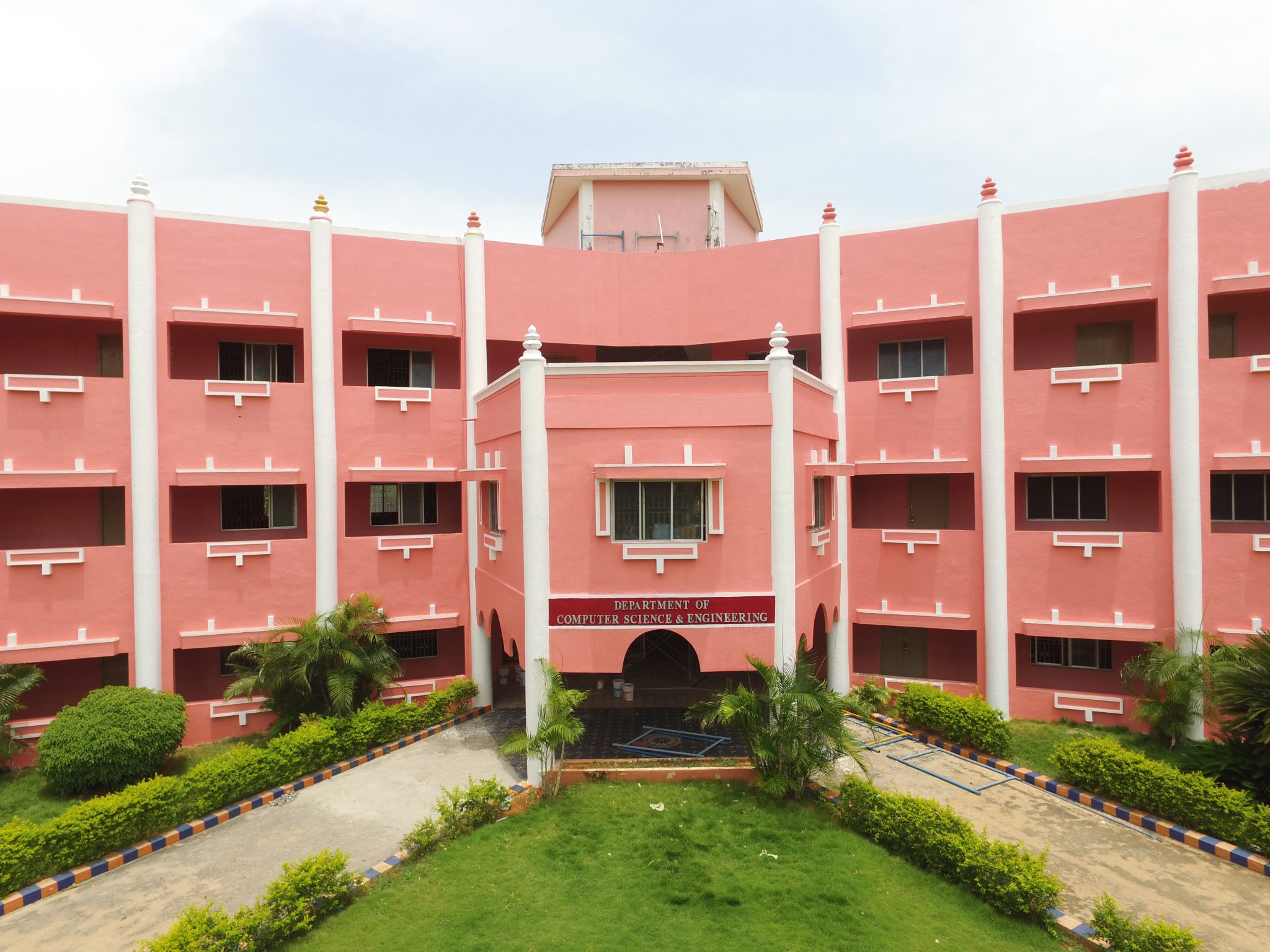
Department of Computer Science & Engineering
Programmes Offered
- UG - B.E. Computer Science & Engineering
- PG - M.E. Computer Science & Engineering
Introduction
The Department of Computer Science and Engineering was established in the year 1993 with Under Graduate programme BE in Computer Science and Engineering. The Post Graduate Programme ME – Computer Science and Engineering was started in the year 2003. The current intake students are 120 for UG Programme and 18 for PG Programme. Both UG and PG Programmes are conducted based on the syllabus prescribed by the Anna University, Chennai. The department is equipped with well qualified and experienced faculty members to improve and enhance the knowledge of the student community. The department has good computing facilities with latest and updated versions of the software. The department conduct periodic workshop, seminar and conferences to help students, research scholars and industries to share a common platform and thereby strengthen the industry institution fusion.
Vision
To Be A National Leader In Research And Technical Education.
Mission
- Strive to prepare computing graduates who are highly sought after for productive and well-respected careers, contributing to computing domains aligned with state-of-the-art technologies.
- Strive to carry out innovative research that enhances understanding of fundamental computing concepts.
- Strive to provide services to the hardware and software industry through technology transfer and applied research.
Quality Policy
We at Arunai Engineering College, strive to bring out and nurture the talents and skills of youth with quality technical education, motivate them to be self-disciplined and develop their competence to face the challenges of globalization. We shall achieve this by
- Providing excellent infrastructure and a conducive learning environment.
- Total commitment to comply with all applicable requirements.
- Responding proactively to changes in technology and applications.
- Associating with leading industries and research institutions.
Curriculum & Syllabus
Programme's PEO's, PSO's and PO's
Program Educational Objectives (PEO)
- PEO I: To train and educate students with general knowledge and skills in agricultural water management, agricultural production process, farm machinery and farm management.
- PEO II: To provide a sound theoretical knowledge in engineering principles applied to agriculture.
- PEO III: To prepare students for a successful agricultural engineering career integrating all aspects of engineering in agriculture.
- PEO IV: To develop innovative capacity of students for increasing agricultural production with scarce water resources available.
- PEO V: To impart positive and responsive out their mission as engineers reach attitudes, initiative and creative thinking in their mission as engineers.
- PEO VI: To understand ethical issues and responsibility of serving the society and the environment at large.
Program Outcomes (POs)
- PO1 – Engineering Knowledge: Apply the knowledge of mathematics, science, engineering fundamentals and an engineering specialization to the solution of complex engineering problems.
- PO2 – Problem Analysis: Identify, formulate, review research literature, and analyze complex engineering problems reaching substantiated conclusions using first principles of mathematics, natural sciences, and engineering sciences.
- PO3 – Design / Development of Solutions: Design solutions for complex engineering problems and system components or processes that meet specified needs with appropriate consideration for public health, safety, cultural, societal, and environmental aspects.
- PO4 – Conduct Investigations of Complex Problems: Use research-based knowledge and methods including experiment design, data analysis, interpretation, and synthesis to provide valid conclusions.
- PO5 – Modern Tool Usage: Create, select, and apply appropriate techniques, resources, and modern engineering and IT tools with an understanding of their limitations.
- PO6 – The Engineer and Society: Apply contextual knowledge to assess societal, health, safety, legal, and cultural issues and responsibilities relevant to professional engineering practice.
- PO7 – Environment and Sustainability: Understand the impact of engineering solutions in societal and environmental contexts and demonstrate knowledge of sustainable development.
- PO8 – Ethics: Apply ethical principles and commit to professional ethics, responsibilities, and norms of engineering practice.
- PO9 – Individual and Team Work: Function effectively as an individual, team member, or leader in diverse and multidisciplinary environments.
- PO10 – Communication: Communicate effectively on complex engineering activities with the engineering community and society through reports, documentation, presentations, and instructions.
- PO11 – Project Management and Finance: Demonstrate knowledge of engineering management principles and apply them to manage projects in multidisciplinary environments.
- PO12 – Life-long Learning: Recognize the need for, and engage in, independent and lifelong learning in the context of technological change.
Program Specific Outcomes (PSOs)
- PSO1: To make expertise in design and engineering problem solving approach in agriculture with proper knowledge and skill.
- PSO2: To enhance the ability of the students to formulate solutions to real-world problems pertaining to sustained agricultural productivity using modern technologies.
- PSO3: To inculcate entrepreneurial skills through strong Industry-Institution linkage.
Faculty
| S.No | Name of the Staff | Designation | Qualification |
|---|---|---|---|
| 1 | Mr. C. Cyrilraj | Assistant Professor | M.E. |
| 2 | Mrs. J. Sophia | Assistant Professor | M.E. |
| 3 | Mr. M. Vivek Kumar | Assistant Professor | M.E. |
| 4 | Mrs. P. Subalakshmi | Assistant Professor | M.E. |
| 5 | Mrs. B. Saranya | Assistant Professor | M.E. |
| 6 | Mrs. L. Shobana | Assistant Professor | M.E. |
Facilities
Infrastructure Facilities
- Total Number of Classrooms: 08
- Tutorial Hall: 01
- Seminar Hall: 01
- Laboratories: 08
- Faculty Cabin: 25
Events
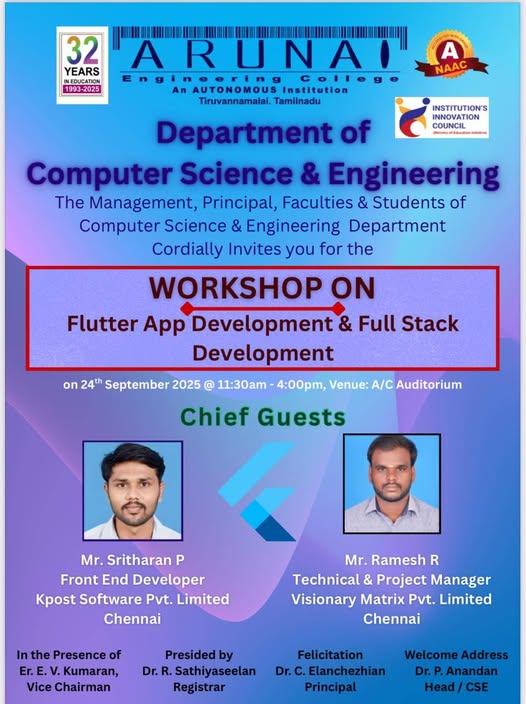
Workshop on Flutter App Development & Full Stack Development
September 24, 2025 @ 11:00 AM
Conducted by Department of Computer Science & Engineering
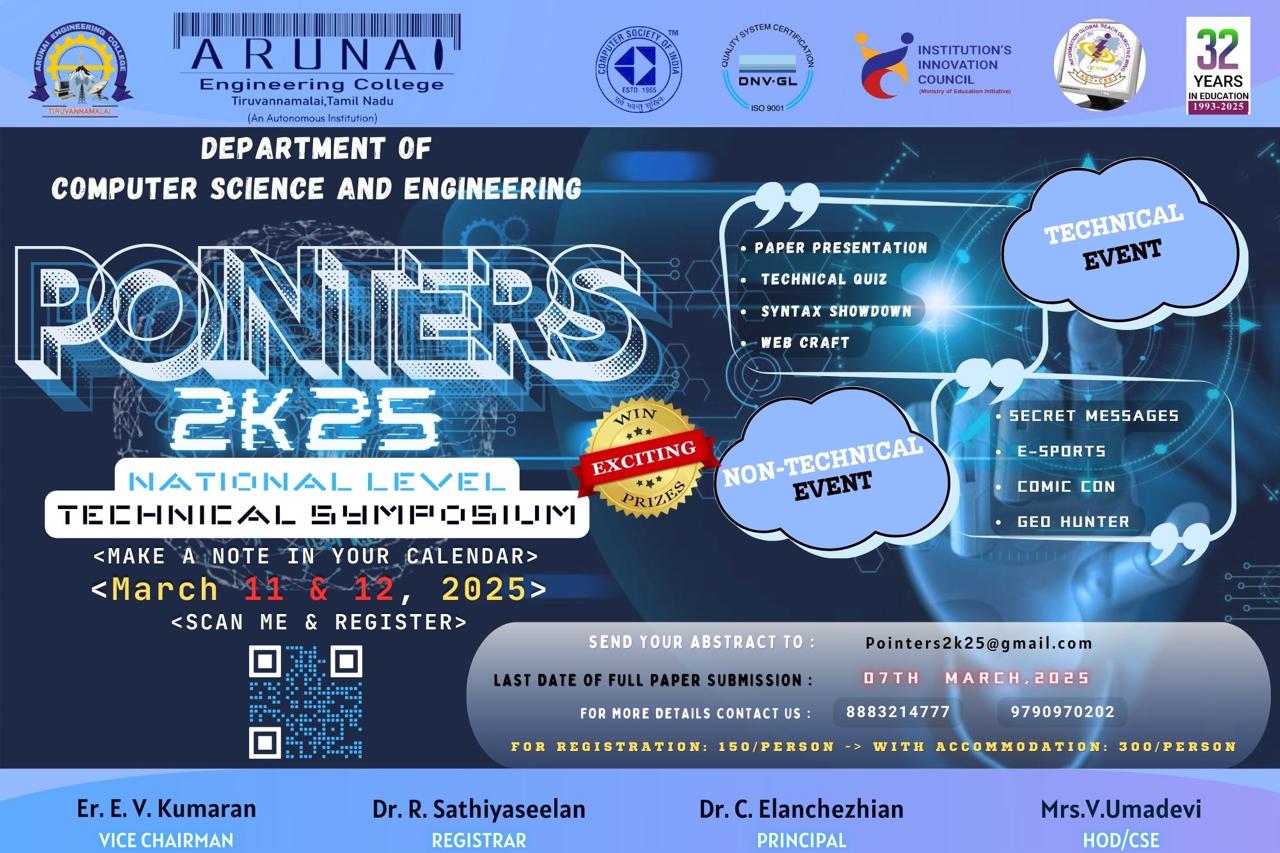
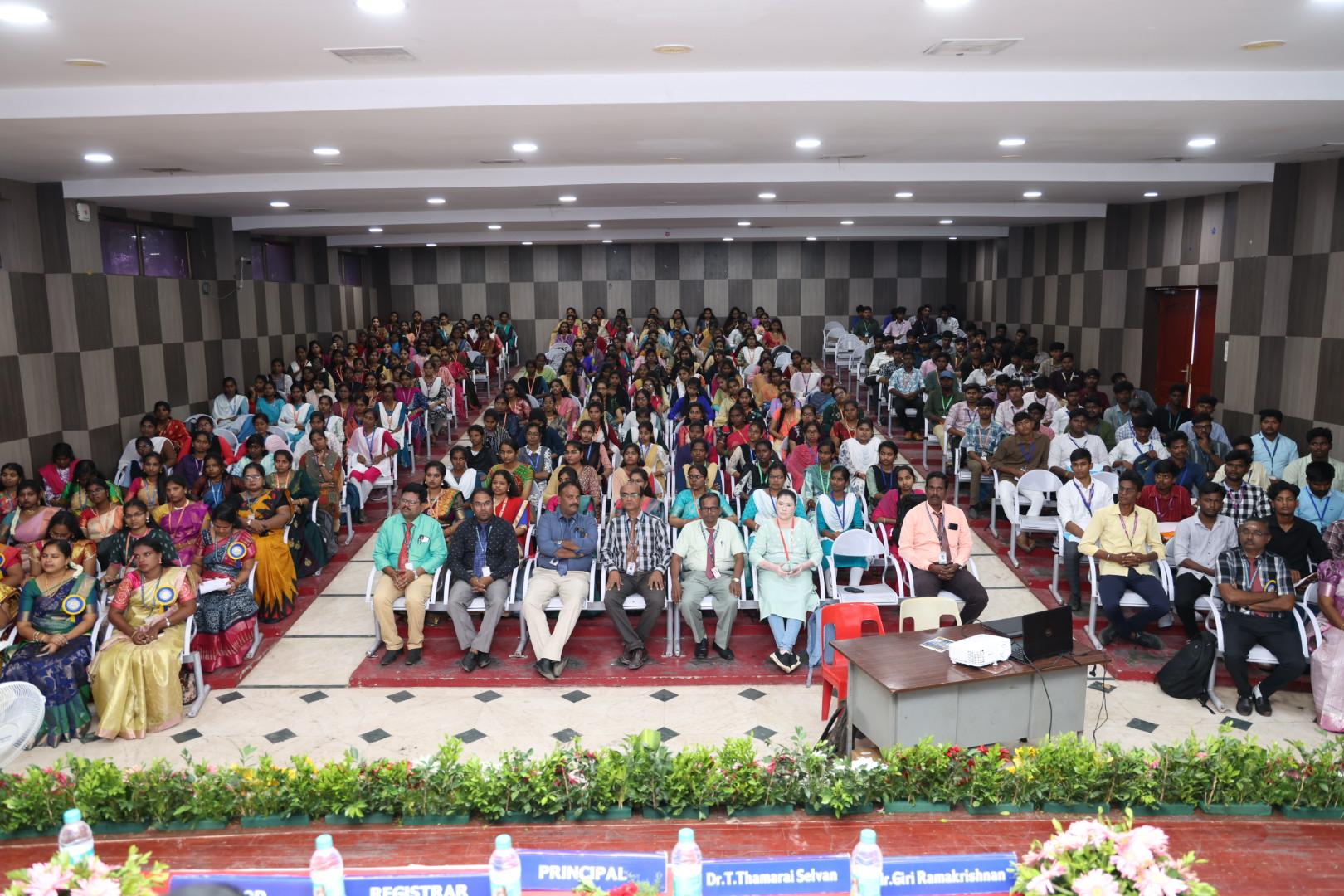
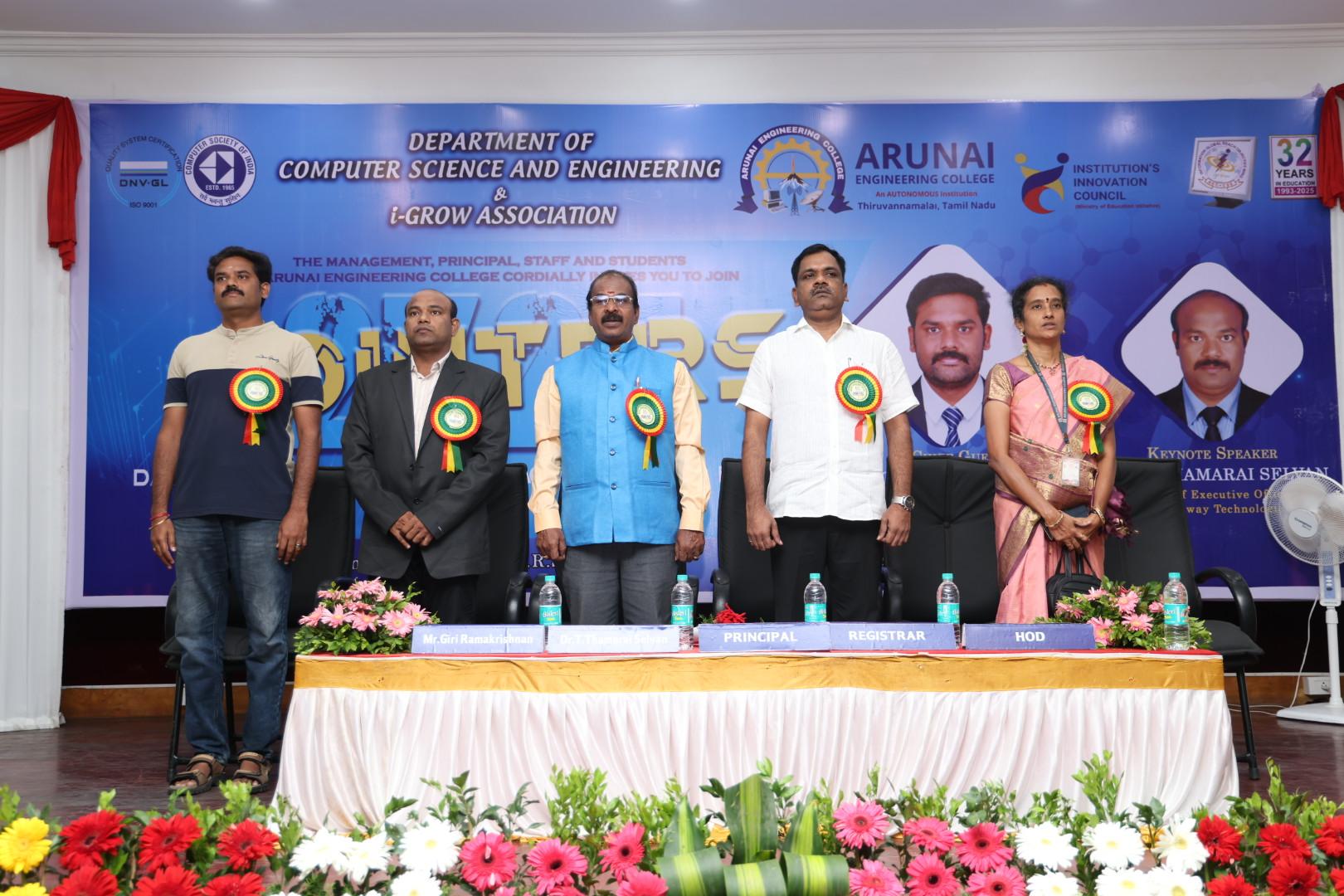
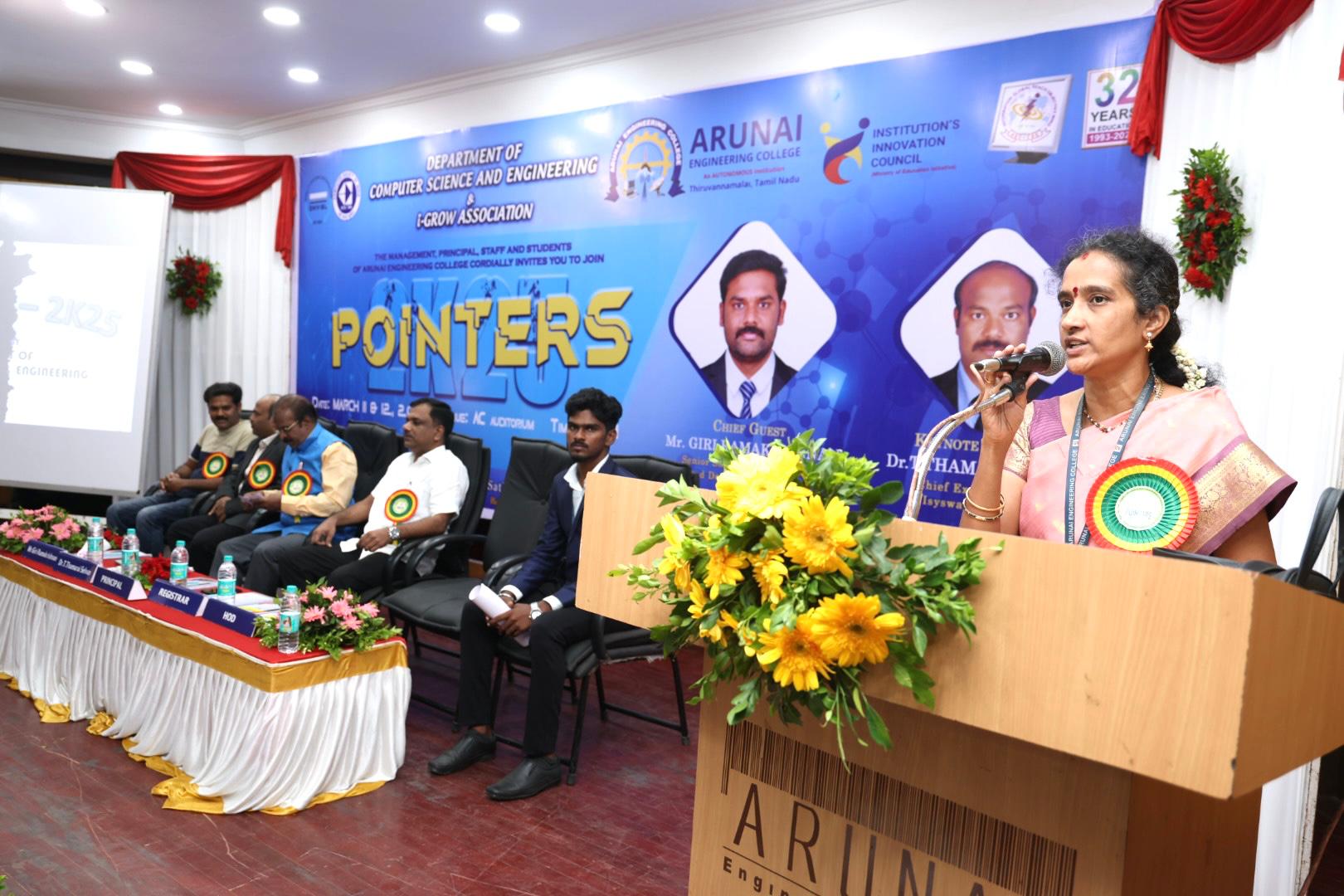
National Level Technical Symposium “POINTERS 2K25”
Mar 11 & 12, 2025 @ 10:00 AM
Conducted by Department of Computer Science & Engineering

THE BYTE
Department of Computer Science & Engineering publishes an e-magazine “The Byte” on semester basis covering student articles & showcasing department activities.
Read More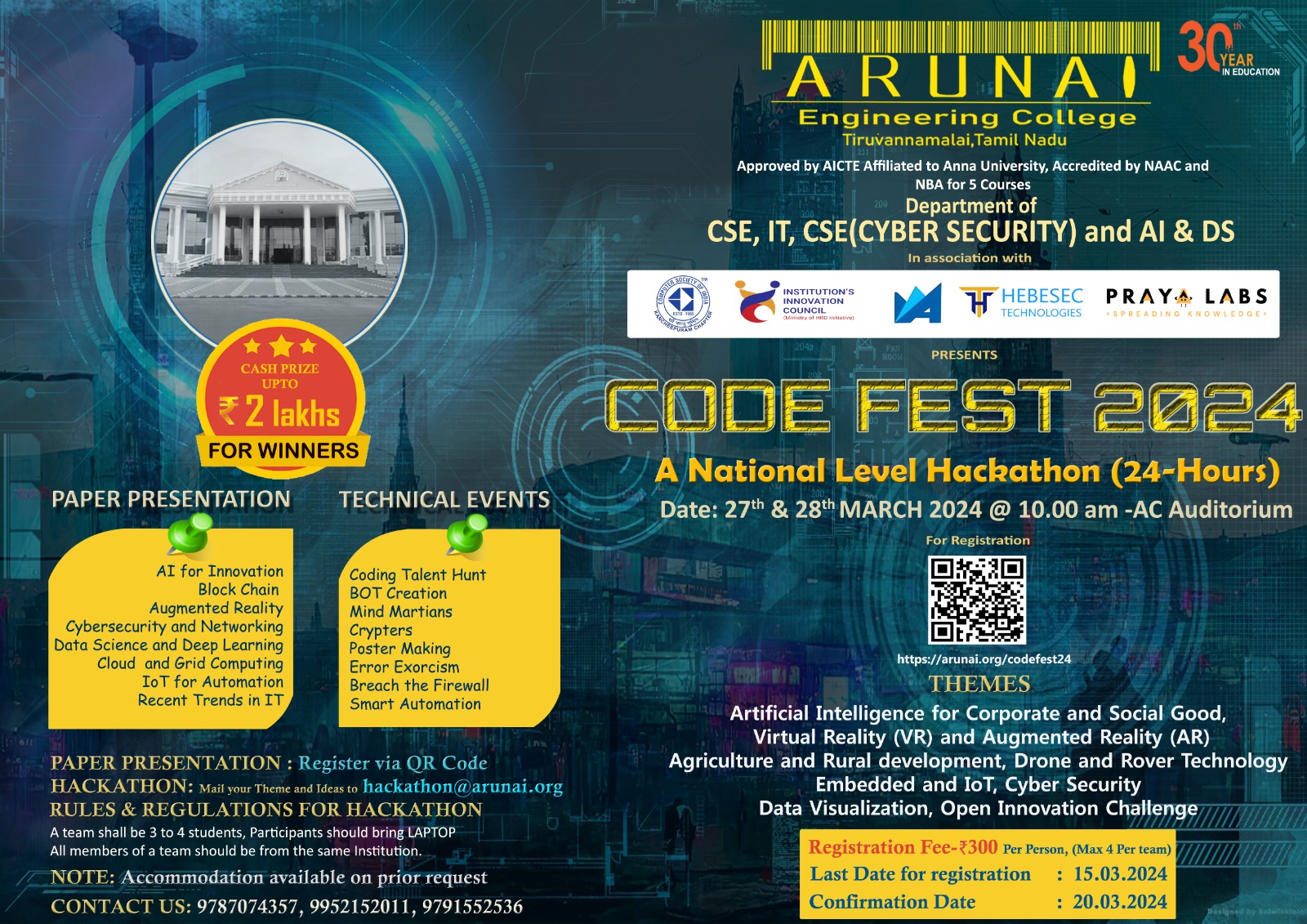
National Level Hackathon
Mar 27 & 28, 2024 @ 10:00 AM
conducted by Dept of CSE,
IT, CSE(Cyber Security) and AI & DS
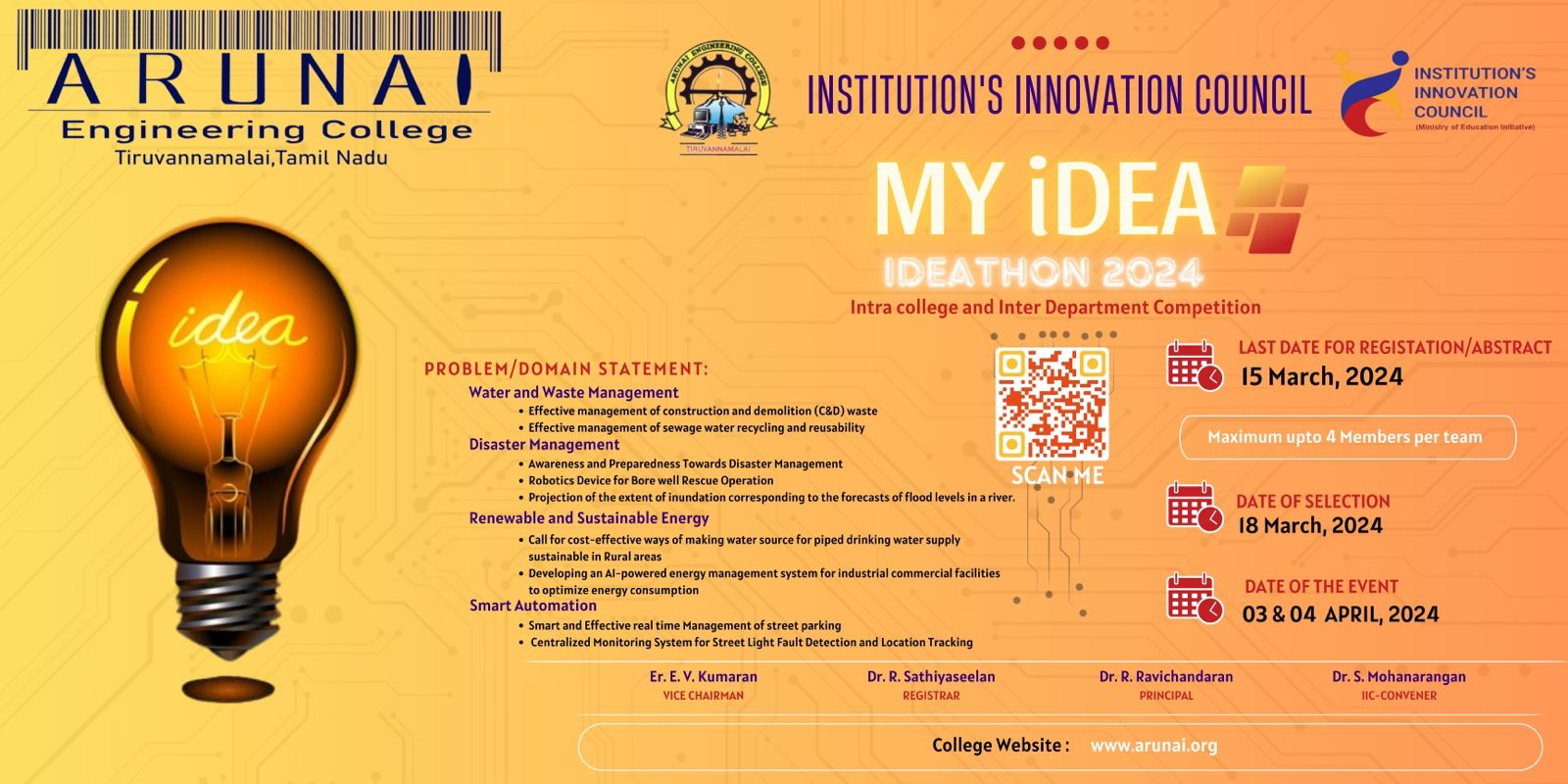
My Idea - Ideathon 2024
Apr 03 & 04, 2024
Intra College and Inter Department
Competition conducted by Dept of CSE
Placements
Course Outcomes
Projects
Gallery
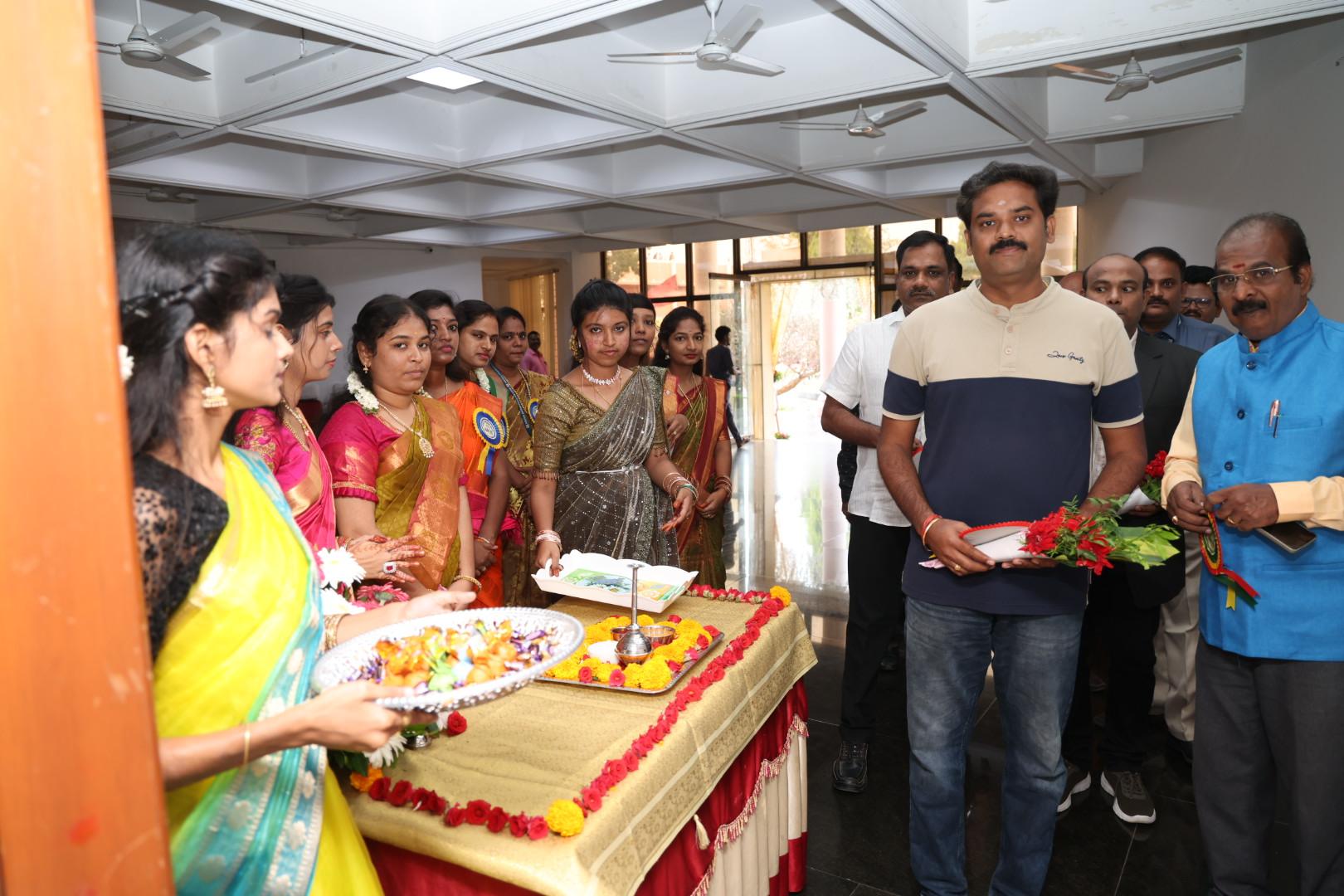
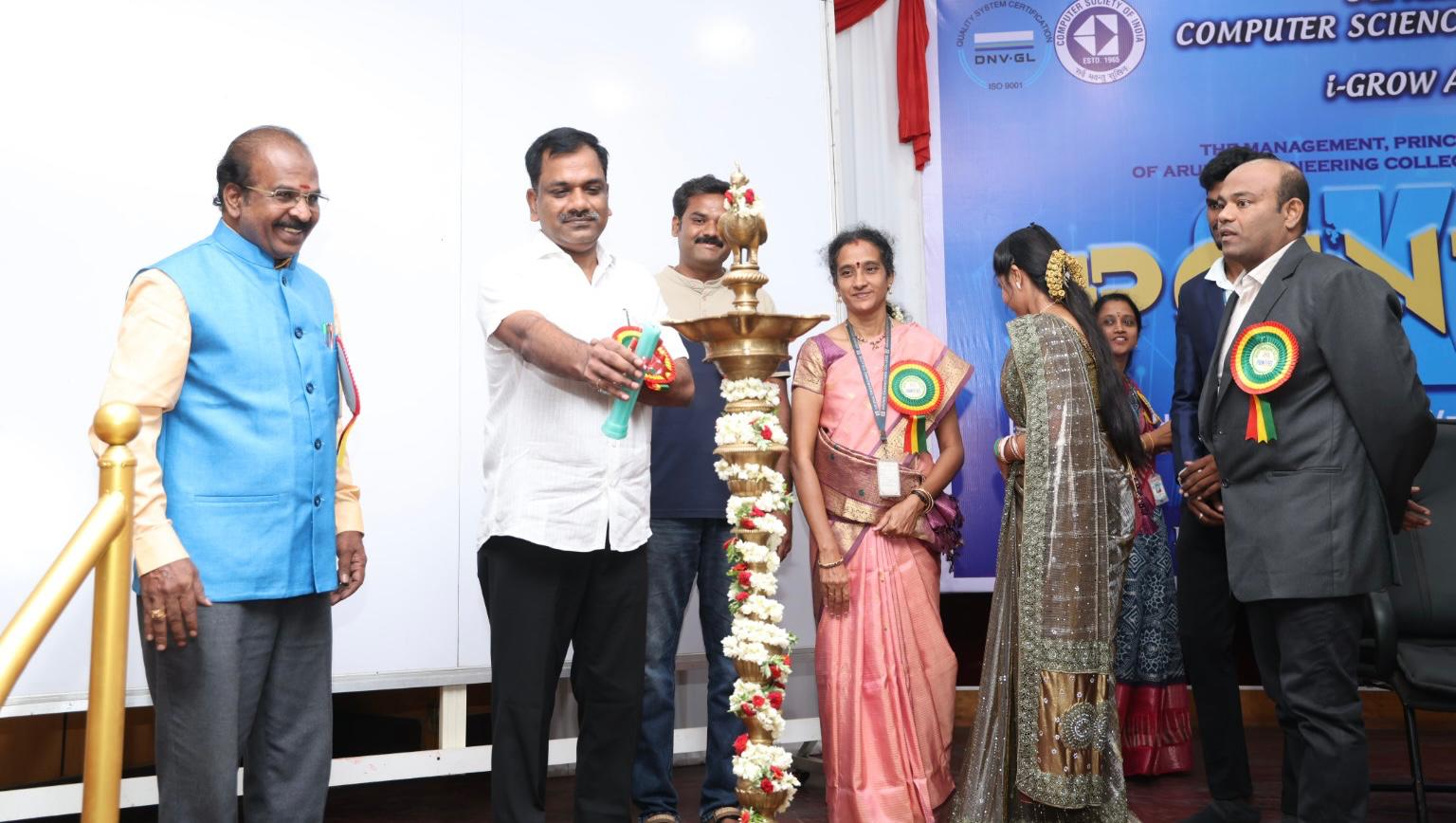
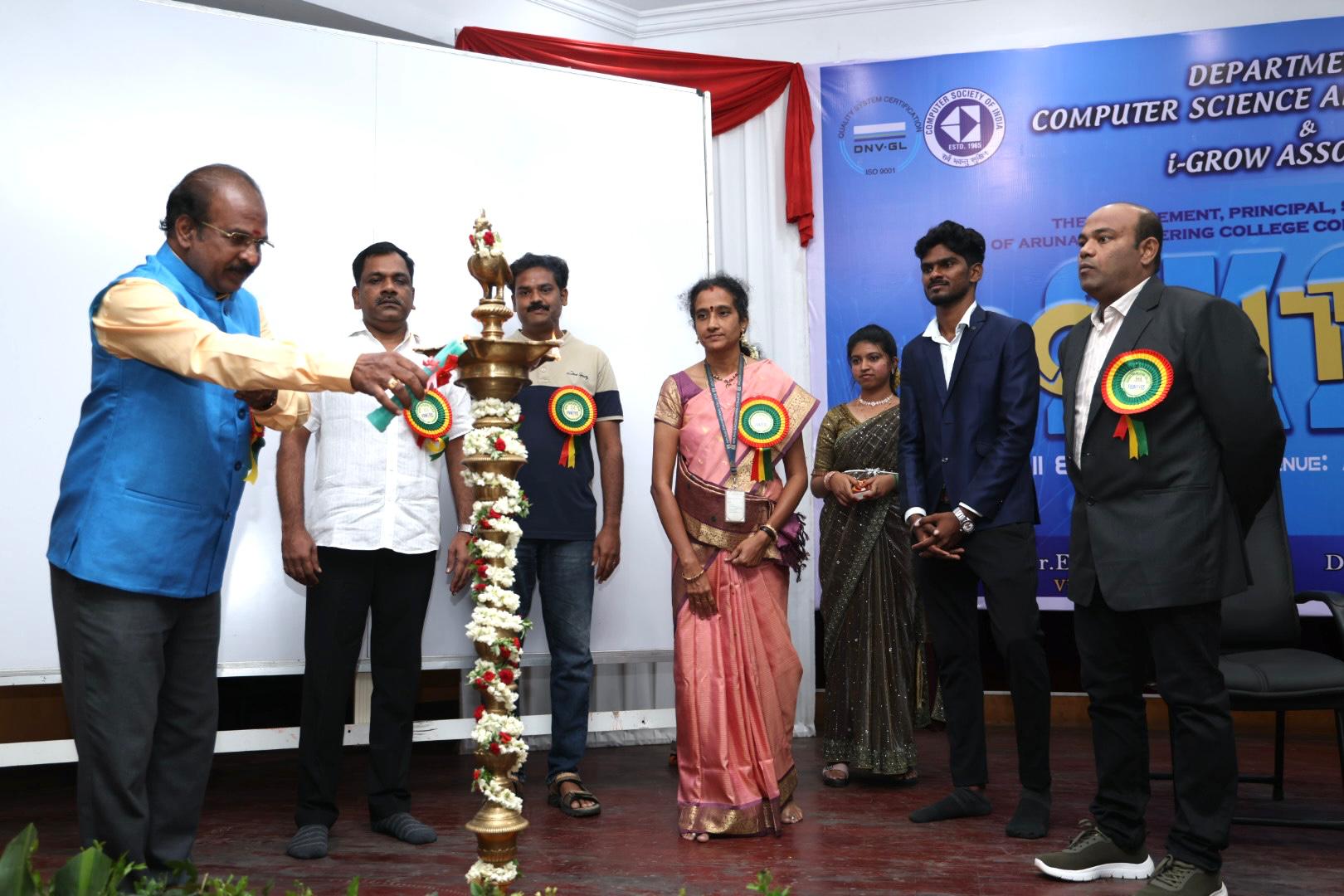
Pointers 2K25
Videos
Alumni's Feedback

Ramalingam Rajendran
Database Admin, Mindtree India.
Nurtured me with perseverance for success.

Aradhika Ramesh
Systems Engineer, Infosys Chennai
Had a great learning experience in this college.