
Main Content
Department of Chemical Engineering
Courses Offered
- UG - B.Tech .Chemical Engineering
Introduction
The Department of Chemical Engineering was started in the year 1997 and presently functioning with a sanctioned student intake of 30 for UG (B. Tech Chemical Engineering), affiliated to Anna University Chennai. Chemical Engineering deals with the application of physical science (Physics and Chemistry) with mathematics, to the process of converting raw materials or chemicals into more useful or valuable forms. Majority of our passed-out students are well placed in the private and public sector companies and few students have completed their higher studies in reputed institutions. The curricula and syllabi for the undergraduate courses have been periodically updated in line with modern day developments in the chemical engineering arena and taking into account the demands of industry and R&D institutions. Students are highly encouraged to participate in workshops, conferences and technical symposium organized by the affiliated/autonomous institutions/universities to ensure that they gain knowledge beyond the classroom teaching. Industrial visits and lectures from academic/industrial experts are organised in order to keep informed about the latest technologies and updation involved in industries and R&Ds.
Vision
- To provide accessible, high-quality engineering education that transforms students into successful chemical engineers through sustainable technological innovation and fostering globally competent professionals.
Mission
- To create a supportive and inclusive learning environment that empowers students from various socio-economic background to overcome challenges and achieve their full potential, transforming them into competent and confident chemical engineers.
- To equip students with the technical, communication, and problem-solving skills necessary to succeed in a globalized engineering profession
- To create the students as qualified chemical engineers, technologists and academicians with high values in moral and ethics.
Curriculum & Syllabus
Programme's PEO's, PSO's and PO's
Program Educational Objectives (PEO)
- PEO1: Graduates will have successful careers in Computer Science and related industries, pursue higher education and research, or evolve as entrepreneurs.
- PEO2: Graduates will have the ability and attitude to adapt to emerging technological changes.
- PEO3: Graduates will excel as socially committed engineers with high ethical values, leadership qualities, and empathy for the needs of society.
Program Outcomes (POs)
- PO1 – Engineering Knowledge: Apply the knowledge of mathematics, science, engineering fundamentals and an engineering specialization to the solution of complex engineering problems.
- PO2 – Problem Analysis: Identify, formulate, review research literature, and analyze complex engineering problems reaching substantiated conclusions using first principles of mathematics, natural sciences, and engineering sciences.
- PO3 – Design / Development of Solutions: Design solutions for complex engineering problems and system components or processes that meet specified needs with appropriate consideration for public health, safety, cultural, societal, and environmental aspects.
- PO4 – Conduct Investigations of Complex Problems: Use research-based knowledge and methods including experiment design, data analysis, interpretation, and synthesis to provide valid conclusions.
- PO5 – Modern Tool Usage: Create, select, and apply appropriate techniques, resources, and modern engineering and IT tools with an understanding of their limitations.
- PO6 – The Engineer and Society: Apply contextual knowledge to assess societal, health, safety, legal, and cultural issues and responsibilities relevant to professional engineering practice.
- PO7 – Environment and Sustainability: Understand the impact of engineering solutions in societal and environmental contexts and demonstrate knowledge of sustainable development.
- PO8 – Ethics: Apply ethical principles and commit to professional ethics, responsibilities, and norms of engineering practice.
- PO9 – Individual and Team Work: Function effectively as an individual, team member, or leader in diverse and multidisciplinary environments.
- PO10 – Communication: Communicate effectively on complex engineering activities with the engineering community and society through reports, documentation, presentations, and instructions.
- PO11 – Project Management and Finance: Demonstrate knowledge of engineering management principles and apply them to manage projects in multidisciplinary environments.
- PO12 – Life-long Learning: Recognize the need for, and engage in, independent and lifelong learning in the context of technological change.
Program Specific Outcomes (PSOs)
- PSO1: To analyze, design, and develop computing solutions by applying foundational concepts of Computer Science and Engineering.
- PSO2: To apply software engineering principles and practices for developing quality software for scientific and business applications.
- PSO3: To adapt to emerging Information and Communication Technologies (ICT) to innovate ideas and solutions to existing and novel problems.
Faculty
| S.No | Name of the Staff | Designation | Qualification |
|---|---|---|---|
| 1 | Mr. C. Cyrilraj | Assistant Professor | M.E. |
| 2 | Mrs. J. Sophia | Assistant Professor | M.E. |
| 3 | Mr. M. Vivek Kumar | Assistant Professor | M.E. |
| 4 | Mrs. P. Subalakshmi | Assistant Professor | M.E. |
| 5 | Mrs. B. Saranya | Assistant Professor | M.E. |
| 6 | Mrs. L. Shobana | Assistant Professor | M.E. |
Facilities
Infrastructure Facilities
- Total Number of Classrooms: 08
- Tutorial Hall: 01
- Seminar Hall: 01
- Laboratories: 08
- Faculty Cabin: 25
Events
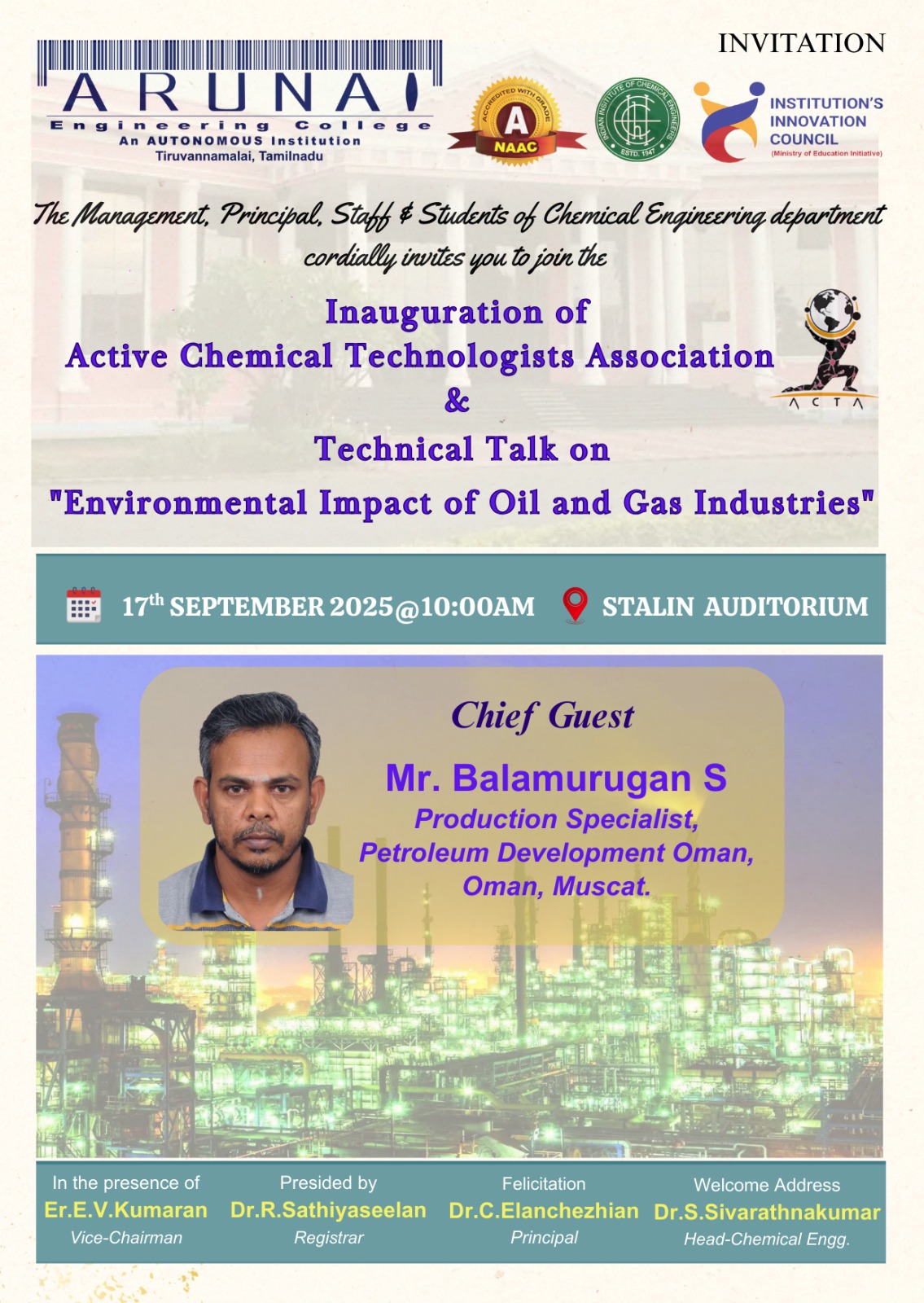
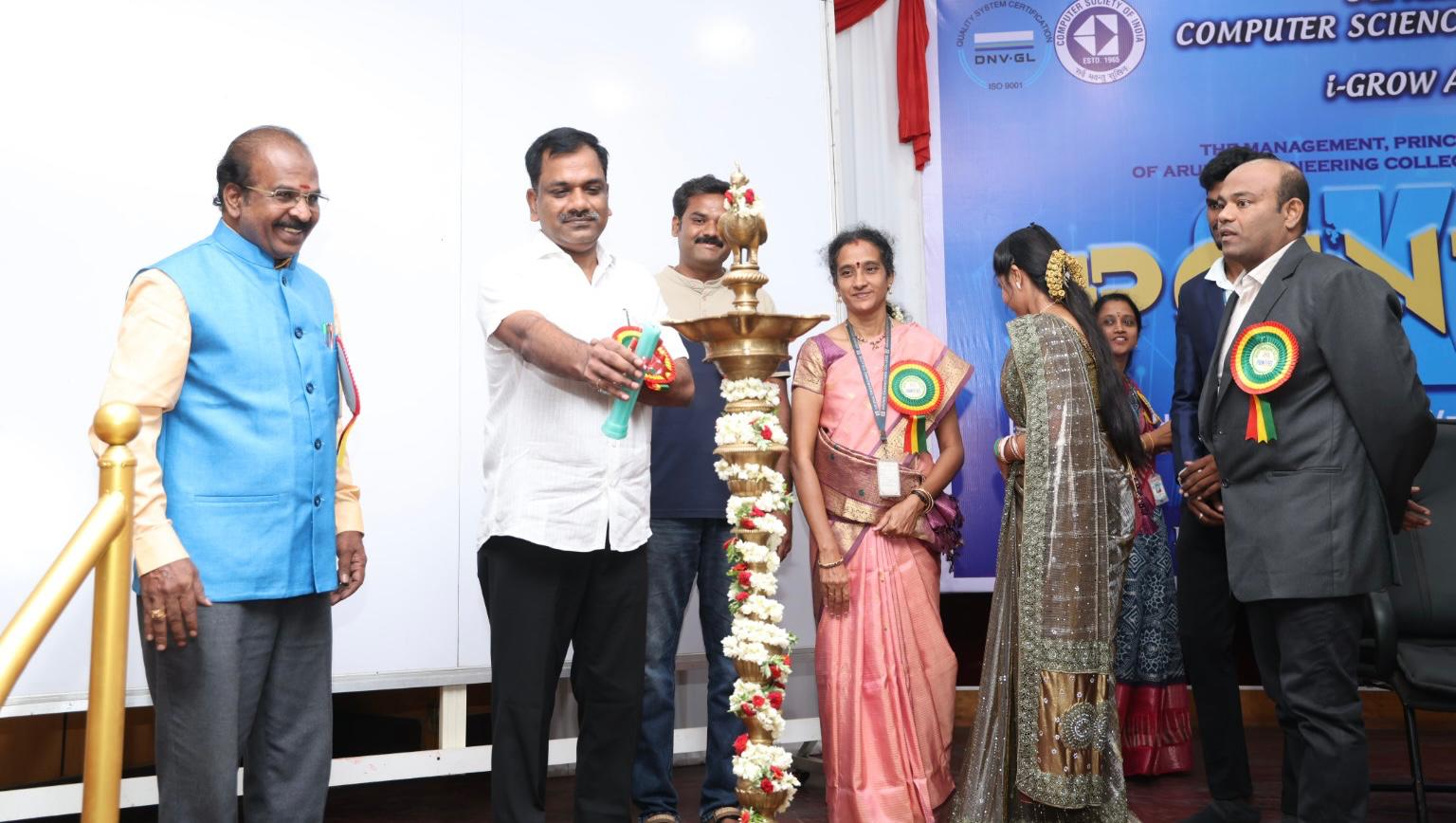
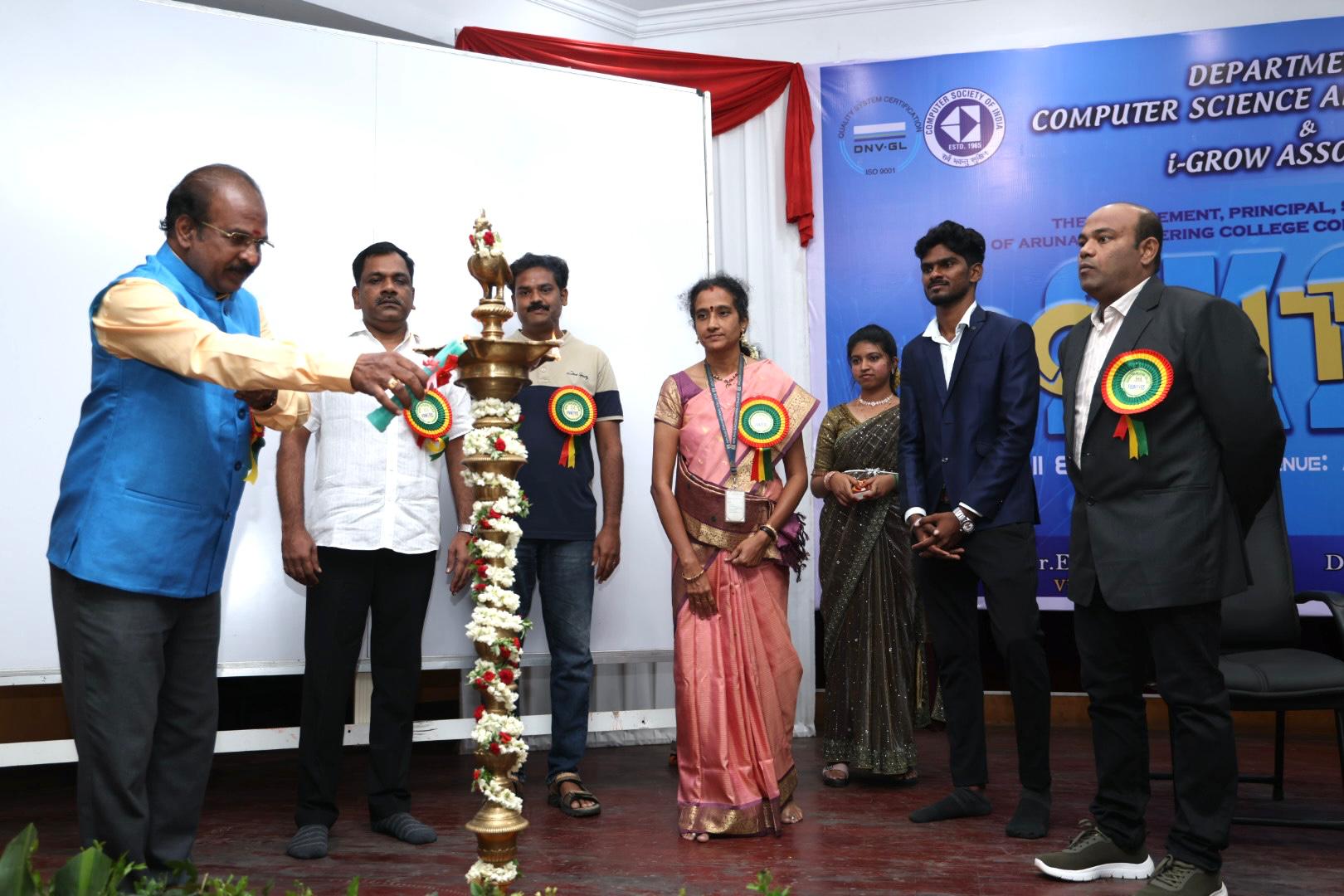
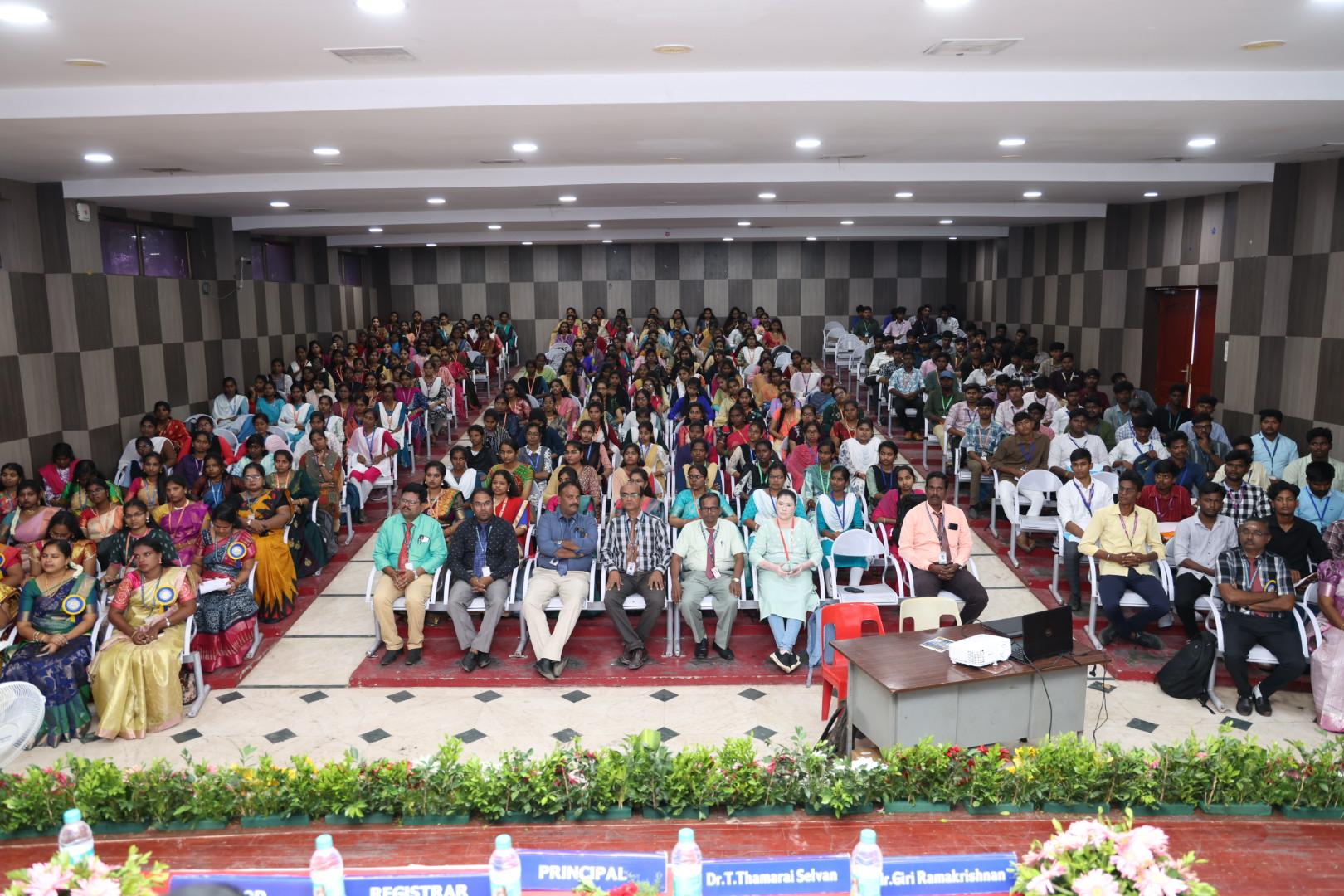
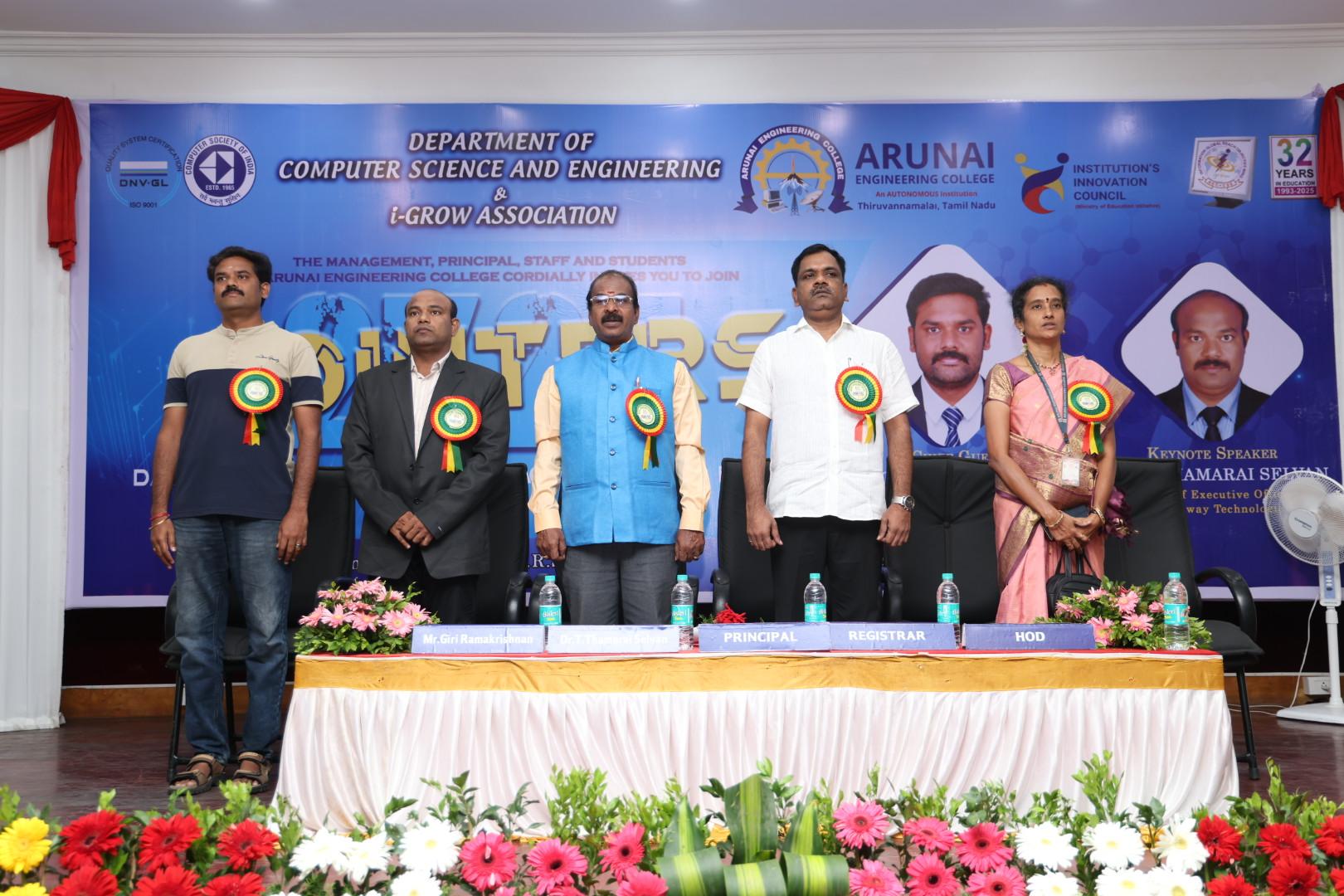
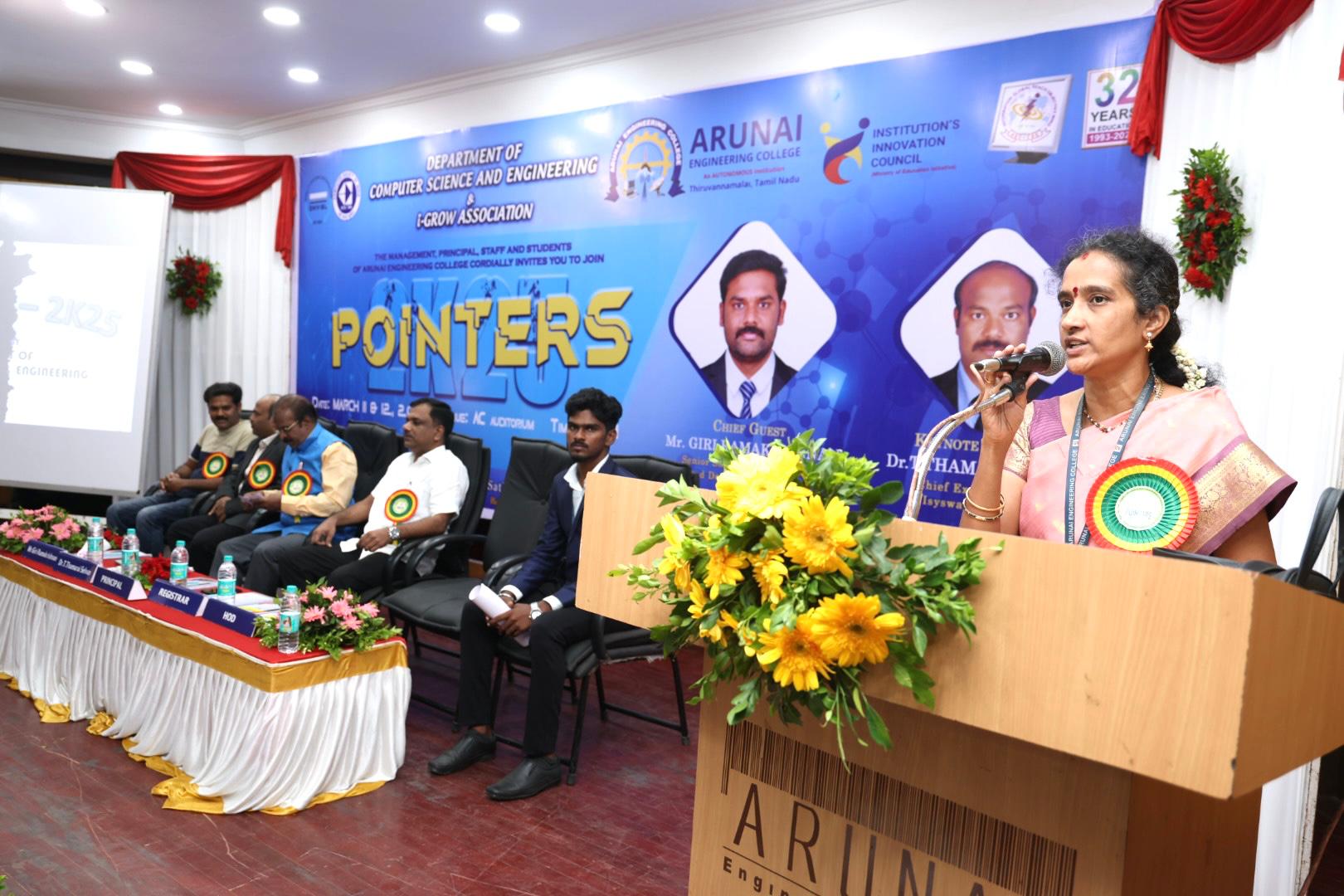
Inauguration of ACTA & Technical Talk on Environmental Impact of Oil and Gas Industries
Department of Chemical Engineering Organising on 17.09.2025
Read More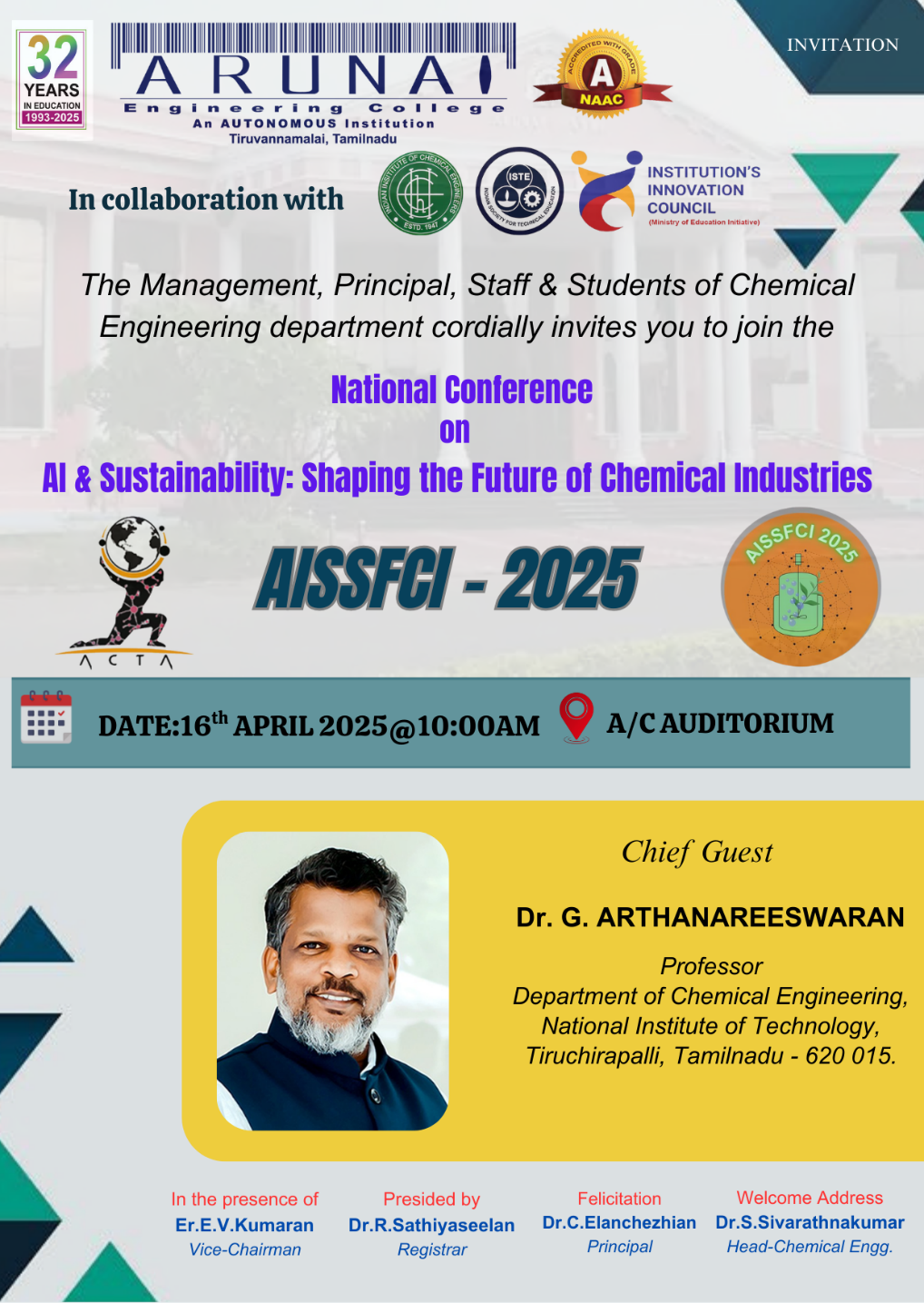
AI & Sustainability: Shaping the Future of Chemical Industries (AISSFCI-2025)
Department of Chemical Engineering Organising on 16.04.2025
Read MorePlacements
Course Outcomes
Projects
Gallery
Videos
Alumni's Feedback
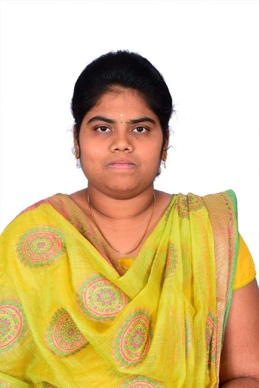
Monica R
Doctoral fellow, Anna University, A. C. Tech.
I am an alumnus of Arunai Engineering College, Tiruvannamalai, pleasure to share this testimonial. The institution provided a disciplined and student-friendly learning environment that strengthened my academic foundation and professional outlook. The well-structured curriculum aligned with industry and research requirements offered strong theoretical knowledge and practical exposure. The faculty members were highly qualified, supportive, and committed to effective teaching and mentoring. Well-equipped laboratories, library facilities, and research support enhanced my learning experience. The college actively promoted seminars, workshops, and co-curricular activities for holistic development which helped me to develop my leadership and organizing skills. Transparent administration and efficient support systems ensured a smooth academic journey. Arunai Engineering College has significantly contributed to my academic growth and career readiness.
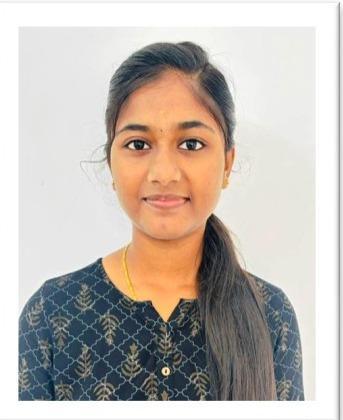
Rakshna S
Executive, Department of MSAT, Biocon Biologics Limited, Bangalore.
I express my sincere gratitude to the Department of Biotechnology at Arunai Engineering College (Batch 2020–2024) for equipping me with a robust academic foundation that has been instrumental in shaping my professional journey.
Currently, I hold the position of an Executive in the Department of MSAT at Biocon Biologics Limited. Having successfully completed six months in this role, I can confidently affirm that the knowledge, hands-on experience, and unwavering support I received during my undergraduate studies were instrumental in helping me secure and excel in this position.
Beyond academics, the department fostered a culture of innovation, critical thinking, and continuous learning, which instilled in me the confidence to adapt to evolving industry standards and challenges. The emphasis on laboratory work, research exposure, and industry-oriented projects played a pivotal role in bridging the gap between classroom learning and real-world application.
I take immense pride in being an alumna of Arunai Engineering College. I will always cherish the role the institution has played in shaping my career.
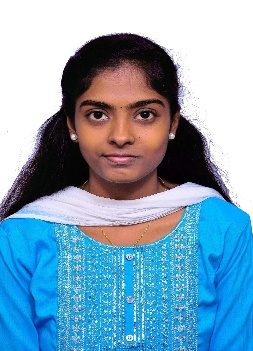
Sadhana Gunasekaran
Associate Genetic Research Analyst, Histogenetics India PVT. LTD, Chennai.
I would like to express my sincere gratitude to the Department of Biotechnology, Arunai Engineering College, for laying a strong academic foundation that has played a vital role in my professional journey.
I am currently working as an Associate Genetic Research Analyst at Histogenetics India Pvt. Ltd., and having successfully completed one year in this role, I can confidently say that the knowledge, practical exposure, and continuous support I received during my undergraduate studies were instrumental in helping me secure this position.
The department’s well-structured curriculum, dedicated faculty, and emphasis on both theoretical understanding and practical learning equipped me with the skills and confidence required to meet industry standards. I remain deeply thankful to all my professors and mentors for their guidance, encouragement, and unwavering support throughout my academic journey.
I am proud to be an alumna of Arunai Engineering College and will always value the role it has played in shaping my career.

R. Vimalnath
NCAAH, Cochin University of Science and Technology
I take this moment of gratitude towards my professors and seniors heads of BIOTECHNOLOGY department of ARUNAI engineering college for pushing me through boundaries and guiding me the way to proceed further in my academics and gave valuable insights about entrance exams which are apart from B Tech syllabus. I am sincerely thanking the college for the resources, facilities and guidance towards research in this field
Nirmal kumar
Post Doctoral Researcher
The college acts as the platform to improve academic skills and also enhace the extracurricular activities.
S. Annamalai
Junior Manager, central R&D, IFFCO group, Dubai
My college molded me into a complete person and enhanced myself.
Ayyappasamy Suddalaiadum Perumal
Post Doctoral Researcher, McGill University, Canada
I learned how to be confident, perserverance and to listen out the details.